

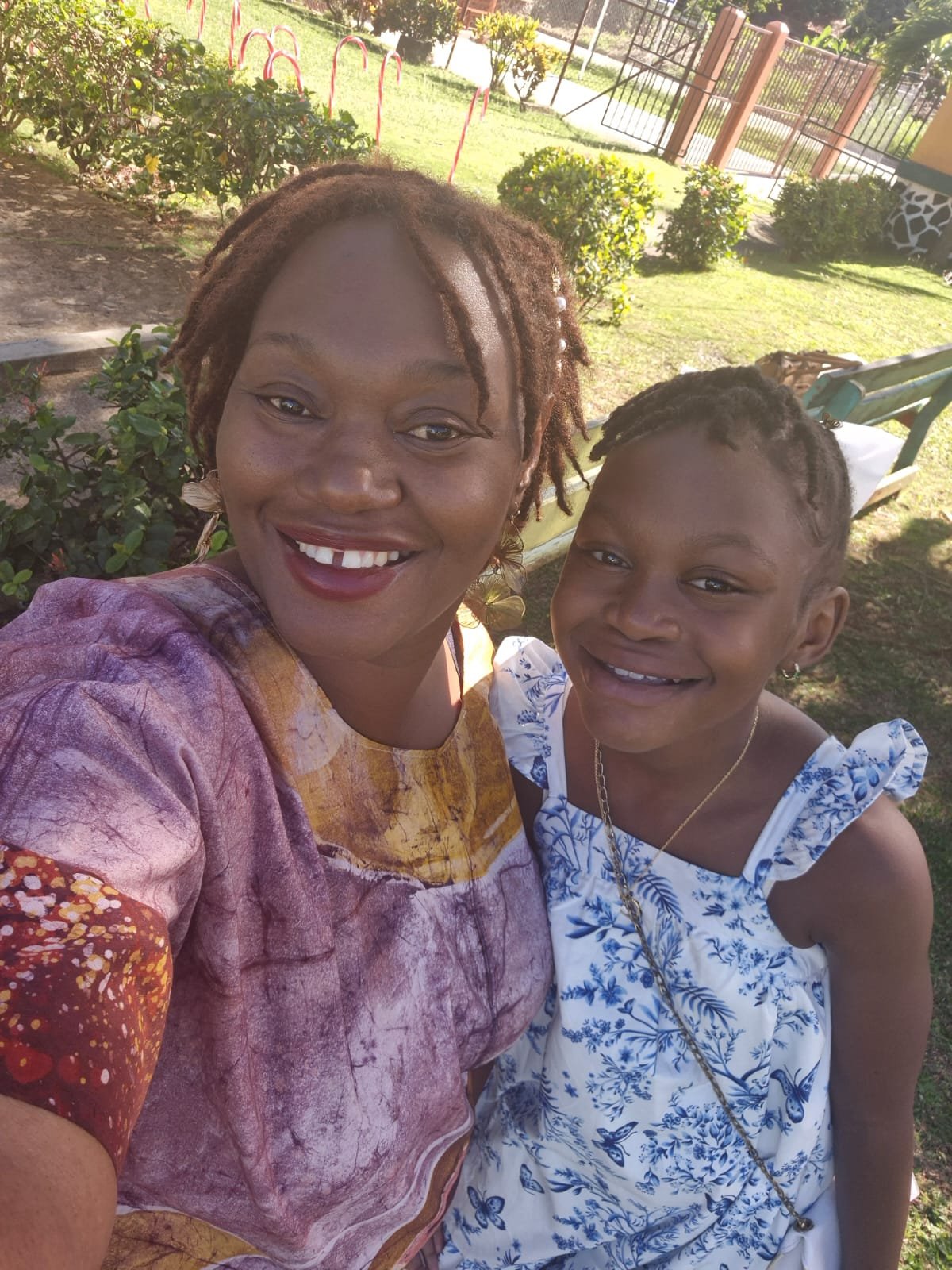
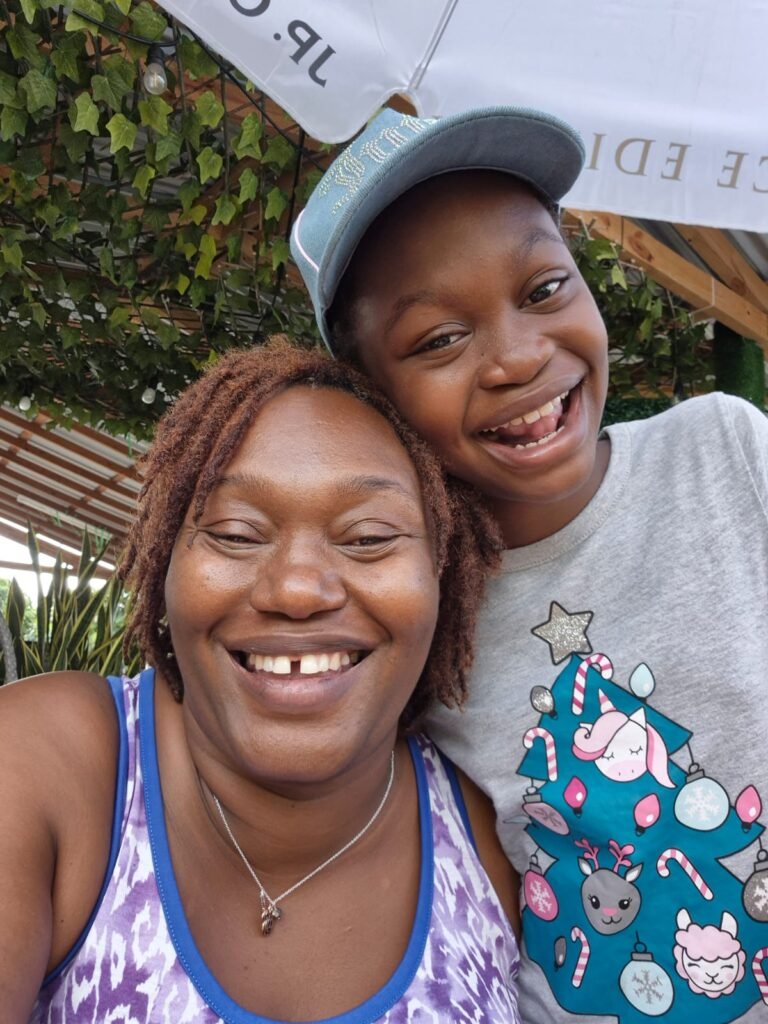
Storytelling has long been a fundamental tool for education and empathy-building. If you’re a parent, educator, or advocate, you’ll discover valuable insights on how storytelling can impact perceptions and drive change. When it comes to neurodivergent children, relatable stories can help others understand their experiences and challenges. This blog post is based on the latest conversation on the Game Changers Hub podcast with Ajani and Kishma, a mother-daughter duo, who wrote a book to a dress these challenges. Kishma and Ajani’s journey illustrates this beautifully through their co-created book, Nia and the Whispering Breeze.
The story reflects Caribbean environments and experiences, making the message even more resonant for local children. By integrating local imagery and language, they ensure the story feels authentic and relatable—key factors in fostering understanding.
“The book came in terms of some of what she was facing, but also how we can curate it for our Caribbean environment. So I handled the illustration and putting it together, but she did more of the heavy lifting” Kishma noted.
Tip for educators and parents: Use stories like this to spark discussions about differences in the classroom or at home. Open conversations can reduce stigma and promote kindness among children.
The Inspiration Behind Nia and the Whispering Breeze
Ajani, at only 11 years old, was inspired by her own experiences with sensory overload and feeling misunderstood at school. Her mother, Kishma, recognized that many children face similar struggles but lack resources tailored to their cultural context.
The story reflects real-life challenges:
Ajani’s feelings of overwhelm, her sense of being different yet valid, and her desire for support—all beautifully captured through the character Nia, who embodies resilience and self-acceptance.
“I decided to make that book because it relates to me when I was at school with the teacher I had. Like the teacher in the book is… the teacher in the book relates to me because she was like the teacher I had in school and it also relates to me because she was getting overstimulated” Ajani revealed.
Creating the book was an emotional process.
Kishma describes it as a vulnerable experience, sharing her daughter’s story with the hope that it helps others. They aimed to craft a resource that not only tells a story but also provides practical tips for parents and teachers on fostering supportive environments.
Key takeaway:
When children see themselves in stories, it reinforces their worth and fosters a positive self-image. When others read these stories, they develop empathy and understanding—crucial ingredients for inclusive communities.
Challenges and Opportunities in the Caribbean Context
In the Caribbean, traditional teaching methods—such as shouting or corporal punishment—often dominate, which can be detrimental to neurodivergent children. Kishma highlights that many children with special needs are misunderstood or mislabeled.
“We have a very unique way of teaching and learning in the Caribbean. I think when you come from any country that has post-colonial ties, whether we like it or not, we carry the ancestral residue. So there’s shouting, there’s corporal punishment, there’s… what is accepted ways of behavior for children” Kishma emphasized.
Because of this, neurodivergent kids are often wrongly seen as rude or disrespectful, which can lead to exclusion or bullying. The cultural perception of discipline and behavior plays a significant role in how these children are treated.
Their solution:
The book advocates for simple, sensory-friendly activities that teachers and parents can implement without disrupting the classroom. Techniques like sensory corners, mindfulness exercises, and quick relaxation strategies can help children regulate themselves and feel included.
The broader goal:
Integrate these resources into schools and community programs to challenge harmful stereotypes and promote acceptance.
Pro tip: Cultural relevance amplifies impact. When stories and activities reflect local realities, children are more likely to relate and embrace the messages.
Future Plans and Expanding the Conversation
Kishma and Ajani are actively working towards launching the book in local schools and libraries, aiming to normalize neurodiversity and include these stories in educational settings. Their target is to have the book available in every library, fostering widespread awareness.
They also envision a second book.
Ajani is already thinking about it—she wants to continue sharing her story and helping other children understand their unique brains. The goal is to create ongoing resources that reinforce self-love and patience.
Community engagement is key.
They plan to host sensory corners, conduct readings and discussion sessions, and develop visual tools like motivational calendars featuring empowering quotes to keep children inspired.
How you can help:
Supporting initiatives that promote inclusive education, sharing resources, and advocating for policy changes can amplify their impact. Whether you’re an educator or a parent, your role in fostering understanding is vital.
Why This Matters: The Broader Impact on Society
Promoting awareness about neurodiversity in the Caribbean can transform societal perceptions and educational practices. Kishma emphasizes the importance of teaching children to be accepting, as they are the future change-makers.
The key messages for young audiences:
- Your brain is unique and valuable.
- Thinking differently is a strength, not a weakness.
- Empathy starts with understanding.
Ajani, despite her young age, embodies confidence and advocacy—proof that change begins with voices like hers.
The ripple effect:
When children grow up with a positive understanding of neurodivergence, they’re more likely to be empathetic adults, fostering inclusive communities and workplaces.
This mother-daughter duo’s story shows the power of storytelling rooted in cultural authenticity and personal experience. Their project not only educates but also empowers children to embrace their differences.
Your next step:
Support local initiatives that promote inclusive education. Share stories like Nia the Whispering Breeze with your community, and advocate for resources that help neurodivergent children thrive.
By fostering understanding early, we nurture a world where every child feels seen, heard, and valued.
Looking for more?
Check out the full episode down below: